
Planning Your Herb Garden The Right Way
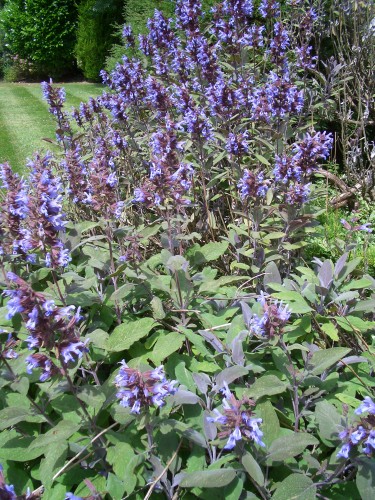 This article is dedicated to planning a successful herb
garden. If you have planted herb gardens in previous years
this will help to revamp and refresh one already have.
This article is dedicated to planning a successful herb
garden. If you have planted herb gardens in previous years
this will help to revamp and refresh one already have.
Go to your Garden Center and see what herbs are available and suitable for your area. This is important if you are planning an outside herb garden. If you are planning an inside herb garden, since you control the atmosphere, you can choose whatever you like.
My suggestion here would be to select a theme for your herb garden. You can plant them for cooking herbs, cosmetic herbs, medicinal herbs or fragrance herbs use. Be realistic about your plants. Check your whole property to find the right spot. Look for sun or shade, type of soil, and how well the spot drains. These are all very import for picking the best place for your herb garden.
Once you have accomplished the above, pick your sunniest spot because herbs need a lot of sun (a good four top six hours daily). Be sure that the herb garden site is level and sheltered from wind. If your soil is a bit heavy ad lots of compost when preparing your site which will make the soil looser and help with drainage and texture.
Try to keep the herb garden close to the house to facilitate in picking the harvest and checking for troubles. If you can’t find a suitable sunny spot plant them in a garden container that you can move around to follow the sun. (This movement is a bit time consuming but it pay off in the end).
Look at the rest of your gardens. Are they formal or informal? You will want your herb garden to complement your house and garden. Look in books or magazine to get some inspiration. If you are creating a formal herb garden you will need to plant in straight lines and geometric shapes framing them with low hedges and paths. A fountain, bench or topiary shrubs are almost always used as the main focal point. Arrange the layout around a central axis. Then plant one kind of herb in each block, go for bold color and texture. Be warned a formal garden is labor intensive and will be expensive.
In an informal herb garden you can plant more flowing, curved beds and walkways. Add flowers and shrubs for a really exciting look. This type of herb garden requires less initial work and will be easier and cheaper to maintain.
Now it’s time to decide on which herbs to plant. The easy way is to make a list of the ones that follow your theme. Make up your wish list in three columns. Column one is the absolutely must have plants, Column two will be the ones that would be nice to have and Column three is oh well, not necessary. If you’re just starting out do between 5-10 herbs, (depending on your space).
This makes the herb gardening more manageable.
Know which herb plants or annual or perennial, and make a note of them so you won’t forget. A small spiral notebook is a good place to make comments on the care of each of your herbs. Situate each plant according to height for maximum enjoyment of your herb garden.
Lastly keep them well fed and give them lots of love and you will a beautiful herb garden that is multi-purpose. You get to plant the herb garden, watch it flourish, and then you get to harvest it for whatever your purpose was: Culinary, Medicinal, Fragrance or Cosmetic.
Happy Planting!
Visit Mary Hanna’s websites at: Herb Gardening, Gardening Landscaping Tips and Container Gardening.


