
Treating Weeds in your Lawn
Author: Jon Weaver
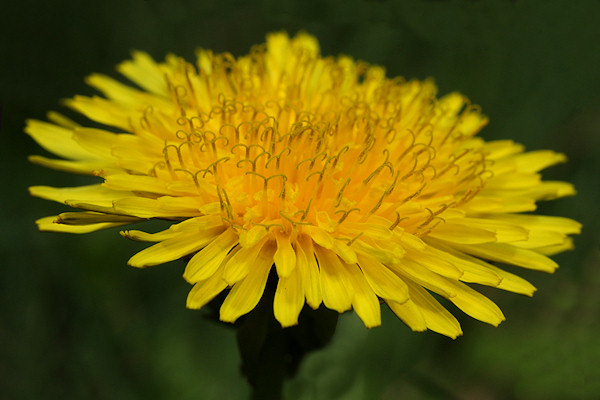 When I was a child, I loved to pick
Dandelions. The pretty yellow flowers were small, colorful, and looked
nice tucked behind my ear! However, if one had popped up in the front yard,
my hair accessory would have been considered an atrocity!
When I was a child, I loved to pick
Dandelions. The pretty yellow flowers were small, colorful, and looked
nice tucked behind my ear! However, if one had popped up in the front yard,
my hair accessory would have been considered an atrocity!
I often feel sorry for weeds. They are plants too. In fact, if you flipped through a botany field guide, you may be surprised at the plants you find classified as weeds!
But simply put, a weed is really defined as a plant out of place. Clover in one persons flowing lawn may be considered fashionable, whereas on another, not. Golf greens are often covered with bentgrass, but if it crept up in some yards, it would be considered a weed. While perhaps pretty on their own, weeds stick out like a sore thumb in yards because they may be of a different color, size or texture. This is distracting from the beauty of the otherwise sprawling green turf. Aside from aesthetic values, weeds can also drain nutrients from grass and other plants, and this competition of resources can thin what should be lush. And what's worse is that weeds are fighters. They can withstand conditions that your wanted greens cannot, so they are almost inevitable!
Treating weeds begins with correct identification. There are two classifications of weeds: Grassy and Broadleaf. These are further broken down into groups like perennial, biennial, and winter and summer annuals. These, as you may gave guessed, depict their growing patterns. Grassy weeds are, as they sound, like grass. However, they are unwanted grass, or grass that is growing in a different type of lawn. Some examples are annual bluegrass, barnyard grass, crabgrass, creeping bentgrass and foxtail. Broadleaf weeds may appear more to be what most people picture weed-like growth to be. Since they are broad, they are more easily distinguished. Some examples are yarrow, knotweed, chickweed, clover, ground ivy, thistle and my favorite, the dandelion.
Once you understand what is growing in your lawn and decide that it is unwanted, you can treat it and/or control it. Weeds can actually be controlled by your lawn care maintenance. If you maintain a dense and vigorously growing lawn, you are already combating the problem. Weeds can be a sign of underlying problems in the environment beneath. So by just killing them, you are simply putting on a band-aid, not solving the problem. For example, some weeds grow in situations of compacted soil, such as knotweed. You can also control the growth by taking better care of the grass, rather than focus on the weeds. You can raise or lower the mowing height, change the frequency of mowing and changing the amount of time between irrigating. Also, you can increase or decrease application of fertilizer and aerify the soil. This will maintain better grass, thus keeping the growth dense and vigorous, which as discussed above, does not attract weeds.
In addition to culture practices, sometimes the assistance of chemicals is needed to control weed growth. In that case, there are several types of herbicides that can be used. Preemergence herbicides will affect seeds that are germinating. Since they are best used two to three weeks before the seeds start to grow, these work best to combat annual weeds. Postmergence herbicides are used, as their prefix implies, after the weeds have sprouted. Since they must be absorbed through the leaves, this types of herbicide works best with a spray. These can be used at any time, but are most effective when the weed is still young and growing. Selective postmergence herbicides are usually used to control annual, biennial and perennial broadleaf weeds, as they will not damage grass. But, they can kill trees, shrubs and flowers. These have to be used in proper conditions as well, with no rain in the forecast for two days to follow, air 60-80 degrees and no winds. Finally, non-selective postmergence herbicides kill all types of weeds, and are best used to spot treat grassy weeds that are not affected by the selective herbicides.
So next time you see a Dandelion plant growing, don't make a wish and blow the seeds toward in the direction of a lawn fanatic, they may not get the perfectly manicured lawn they wished for!
FREE information on how to have the yard of your green dreams, visit All About Your Lawn today! It's FREE! Click here: www.AllAboutYourLawn.com


